The Enduring Allure of the Leather Bound Journal
There’s an undeniable magic in the embrace of a
leather bound journal. From the moment its rich scent greets you, to the satisfying texture under your fingertips, it promises a timeless space for your thoughts, dreams, and discoveries. Unlike their digital counterparts, a physical journal offers a sanctuary, a tangible record that ages gracefully alongside your life's journey. Whether you're drawn to a vintage leatherbound journal with its intricate designs and a storied past, or a sleek, minimalist leather notebook ready for professional insights, the choice of a leather journal elevates the act of writing into an experience.
These aren't just mere notebooks; they are companions, confidantes, and canvases for creativity. They tell a story not just through their pages, but through their very being – from the initial, pristine elegance to the rustic appearance and worn edges that bear witness to countless hours of reflection and use. Understanding what makes a quality leather bound journal, and how to choose one that resonates with your personal style and purpose, is key to unlocking its full potential.
The Timeless Appeal and Craftsmanship Behind Every Leather Bound Journal
The draw of a
leather bound journal transcends mere utility; it’s about heritage, durability, and a profound sensory experience. For centuries, leather has been a material of choice for objects of significance, prized for its strength, flexibility, and unique ability to develop a beautiful patina over time. This intrinsic quality makes each leather journal a truly unique item, destined to become an heirloom.
A Legacy of Craftsmanship and Artistry
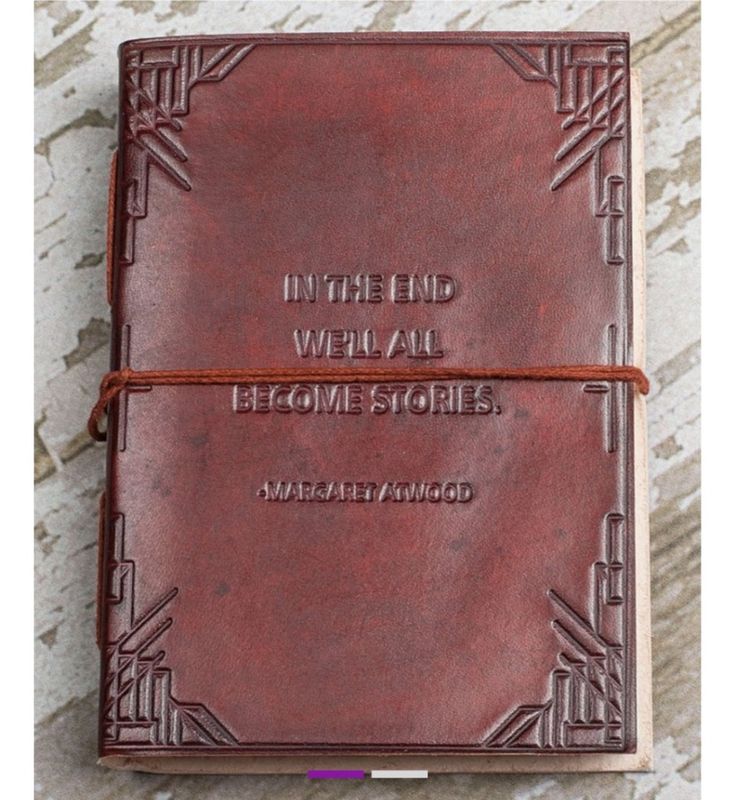
Many vintage leatherbound journals boast intricate designs, often hand-tooled or embossed, reflecting a legacy of meticulous craftsmanship. These ornate details speak to an era when objects were made to last, imbuing each piece with a character that mass-produced items simply cannot replicate. Even minimalist leather notebooks carry a sense of deliberate design, emphasizing clean lines and the inherent beauty of the material. The care taken in selecting the hide, the stitching, and the binding method all contribute to the journal's longevity and aesthetic appeal. This dedication to craft ensures that whether you prefer a richly embellished cover or a smooth, understated finish, your journal is a testament to quality.
The Sensory Experience: Touch, Scent, and Sight
Part of the deep satisfaction derived from a leather journal comes from engaging all the senses. The distinct aroma of genuine leather evokes a sense of tradition and natural elegance. The tactile experience of running your hand over a smooth, supple cover or feeling the grain of a rustic piece adds to the journaling ritual. Visually, a new leather journal might present a sophisticated, unblemished surface, perhaps with a sleek pen resting on top, promising unwritten stories. Over time, however, it develops a unique personality. A well-loved vintage leatherbound journal with a rustic appearance and worn edges tells a story of journeys taken, thoughts recorded, and memories preserved, becoming a cherished personal artifact. It’s this intimate connection with a beautiful, durable object that makes the experience of writing so much richer.
Navigating the Diverse World of Leather Bound Journals
The market for
leather bound journals is as diverse as the minds that fill their pages. From the meticulously preserved vintage pieces to contemporary designs optimized for modern professionals, there's a perfect leather journal for every preference and purpose. Understanding the spectrum of options available will help you choose a companion that truly fits your life.
From Vintage Charm to Modern Elegance
The aesthetic range of leather journals is vast. On one end, you have the evocative "vintage leatherbound journal with intricate designs" or those with a "rustic appearance and worn edges." These journals often feature hand-stitched bindings, unique clasps, and a history that seems to whisper from their very covers. They are perfect for those who appreciate old-world charm, a sense of gravitas, and the beauty of imperfection. They feel like a treasure, ready for personal thoughts and sketches that echo timeless wisdom.
Conversely, the "elegant minimalist leather notebook with ribbon" caters to a more contemporary taste. These often feature clean lines, understated colors (like a sophisticated black or even a chic pink leather notebook with a snap closure), and practical elements like a built-in ribbon bookmark or a secure snap closure. They are ideal for professional use, creative writing, or anyone seeking a sophisticated yet functional tool. For a deeper dive into choosing your aesthetic, you might find valuable insights in our article
From Vintage to Minimalist: Choosing Your Perfect Leather Journal.
Finding Your Journal's Purpose
Beyond aesthetics, the intended use of your leather journal is paramount. Are you seeking:
*
A personal diary? A journal for "personal thoughts and sketches" often benefits from unlined pages, allowing for freedom of expression. A more rustic or worn journal can feel like an old friend for intimate reflections.
*
A professional notebook? An "elegant minimalist leather notebook" is ideal for professional use. Lined pages, a sturdy cover, and perhaps a pen loop make it suitable for meetings, project notes, or client insights.
*
A creative outlet? For "creative writing" or sketching, consider paper quality. Thicker, unlined paper is often preferred by artists, while writers might opt for a journal with a combination of lined and blank pages.
*
A travel companion? Durability is key. A robust leather journal that can withstand being tossed into bags and exposed to different environments is perfect for documenting adventures.
Ultimately, "this ornate leatherbound journal is ready for your thoughts," no matter what form they take. Choosing a journal that aligns with its intended purpose will ensure it becomes an invaluable tool rather than just a beautiful object.
What Makes a Quality Leather Bound Journal?
Investing in a quality
leather bound journal means choosing a companion built to last, to age beautifully, and to provide a superior writing experience. Several key factors contribute to its overall quality and enduring appeal.
The Leather Itself: A Spectrum of Durability and Aesthetics
The type of leather used is arguably the most critical component.
- Full-Grain Leather: This is the highest quality and most durable leather, retaining the natural grain and imperfections of the animal hide. It develops a rich patina over time, making each journal truly unique. It's often found in premium, long-lasting journals.
- Top-Grain Leather: Slightly sanded to remove imperfections, it's still very durable but softer and more pliable than full-grain. It's a popular choice for its balance of quality and aesthetics.
- Genuine Leather: A broad term, it often refers to lower-quality leather made from the underside of the hide or bonded leather scraps. While more affordable, it lacks the durability and character of higher grades.
- Vegan Leather / Faux Leather: For those preferring animal-free options, high-quality synthetic alternatives exist. While they don't develop a patina, modern advancements offer impressive durability and aesthetic variety.
Consider how the leather is tanned and finished. Vegetable-tanned leather, for instance, is known for its traditional methods and ability to develop a stunning patina, contributing to that "rustic appearance and worn edges" many adore in a vintage leatherbound journal.
Paper Matters: The Foundation for Your Thoughts
The pages within your leather journal are just as important as its cover.
- Paper Weight: Measured in GSM (grams per square meter), higher GSM paper (e.g., 100-120 GSM) is thicker, less prone to bleed-through, and ideal for fountain pens or sketching. Lower GSM (e.g., 80 GSM) is common for everyday note-taking.
- Lined, Unlined, or Dotted: Choose based on your primary use. Lined paper is great for structured writing and note-taking. Unlined offers complete freedom for drawing, sketching, and stream-of-consciousness writing. Dotted paper provides subtle guidance without the rigidity of lines, popular for bullet journaling.
- Acid-Free Paper: This is crucial for longevity. Acid-free paper resists yellowing and degradation over time, ensuring your words and drawings remain vibrant for decades.
Essential Features and Personalization
Look for features that enhance usability and personal connection:
- Binding Type: Stitched bindings (like Smyth-sewn) are generally more durable than glued bindings, allowing the journal to lay flat.
- Closures: A snap closure offers security, keeping pages protected. Wraparound straps or buckles add to a journal's vintage aesthetic.
- Ribbons and Pockets: An elegant minimalist leather notebook might feature a ribbon bookmark for easy page marking. Expandable pockets are useful for storing loose notes or mementos.
- Refillability: Some leather covers are designed to be refillable, allowing you to reuse the beautiful cover with new paper inserts.
Personalization, such as engraving initials or a meaningful date, transforms a beautiful object into a deeply personal heirloom.
Caring for Your Cherished Companion
A well-maintained
leather bound journal is a joy forever. Proper care ensures its leather remains supple, its pages pristine, and its character deepens with age, rather than deteriorating.
Protecting Your Investment for Years to Come
*
Cleaning: For light dust, a soft, dry cloth is usually sufficient. For minor dirt or grime, a slightly damp cloth with a mild soap (specifically for leather) can be used, but always test on an inconspicuous area first. Avoid harsh chemicals, which can strip the leather's natural oils.
*
Conditioning: Leather can dry out over time, especially with exposure to heat or dry air. Apply a high-quality leather conditioner periodically (every 6-12 months, depending on use and climate) to keep it moisturized and prevent cracking. Buff gently with a clean cloth.
*
Storage: Store your journal in a cool, dry place away from direct sunlight and extreme temperatures. Excessive heat can dry out leather, while humidity can encourage mildew. If storing for extended periods, consider a breathable cloth bag.
*
Avoid Overstuffing: While it's tempting to tuck in mementos, overstuffing your journal can stress the binding and distort the cover.
*
Embrace the Patina: Remember that worn edges and a developing patina are part of the charm of a leather journal. These marks tell a story and add unique character, so don't strive for perpetual newness; rather, celebrate its journey with you.
Conclusion
From the initial elegance of an "intricate design" to the comforting familiarity of "worn edges," a
leather bound journal is much more than a collection of pages. It’s a dedicated space for reflection, creativity, and documentation that grows richer with every entry and every passing year. Whether you choose a robust, vintage leatherbound journal for deep contemplation or an elegant minimalist leather notebook for professional pursuits, the enduring quality and timeless appeal of leather make it an investment in your thoughts and an ode to the analog experience. By understanding the nuances of leather quality, paper types, and essential features, you can select a journal that truly resonates with your spirit. Take the leap, discover the perfect companion for your journey, and watch as it transforms into a cherished archive of your life. To further guide your choice and truly elevate your writing experience, explore our article
Elevate Your Writing: Finding Your Ideal Leather Bound Journal.